Claude Is Quietly Overtaking ChatGPT — And Your Career Might Feel the Impact
Still thinking “I can use ChatGPT” is enough to stand out in today’s job market?
It’s not that the skill is useless. But in 2026, companies are looking beyond simply knowing how to use AI tools. What matters more now is how well someone can use AI to solve real business problems.
And interestingly, the AI landscape itself is starting to shift.
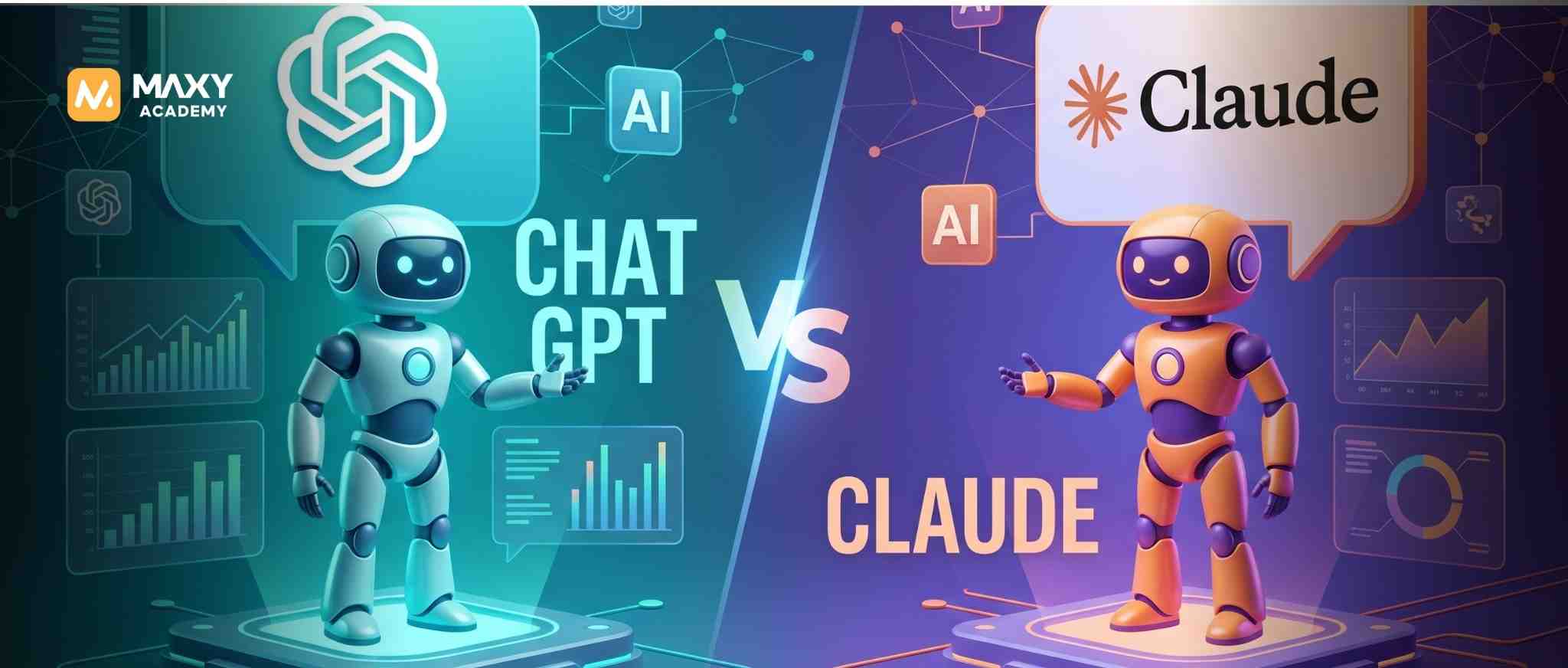
According to the latest data from Ramp AI Index — a platform tracking AI usage across 50,000+ companies — Claude by Anthropic is now being adopted slightly more than ChatGPT in corporate environments.
Claude is currently used by 34.4% of companies, while ChatGPT sits at 32.3%.
The gap may not be massive, but it signals something important: companies are actively exploring and switching to AI ecosystems that better fit their workflows and operational needs.
This Isn’t Just Another “AI Brand War”
Many people see AI developments as nothing more than a battle between tech companies. But at the industry level, these shifts directly affect hiring decisions and workforce expectations.
When companies adopt certain tools, they also begin looking for talent who understand the workflows and ecosystems around those tools.
That means AI skills today are no longer just about:
- “Knowing prompting”
- “Using ChatGPT”
- “Trying AI tools”
Instead, companies are paying attention to whether someone can:
- Integrate AI into real workflows
- Build automation systems
- Use AI for research, coding, analysis, or content production
- Adapt quickly to new tools and technologies
So… Should You Learn Claude?
You don’t need to become “Team Claude” or abandon ChatGPT entirely.
The bigger takeaway is this: tools will continue to change. Today it’s ChatGPT, tomorrow it could be Claude, Gemini, or platforms that haven’t even become mainstream yet.
Your long-term value doesn’t come from loyalty to one platform — it comes from your ability to adapt and apply AI effectively in real work environments.
That said, if you work in tech, automation, productivity, or development, understanding ecosystems such as:
- Claude.ai
- Claude API
- Claude Code
- MCP (Model Context Protocol)
- Agentic AI workflows
…could become a strong advantage in the near future.
The Real Upgrade Isn’t Your Resume — It’s Your Practical Skills
Companies rarely get excited by candidates who simply write:
“Proficient in ChatGPT”
What recruiters care about more is:
- Real-world projects
- AI-powered workflows
- Automation experience
- Measurable productivity improvements
- Portfolios that demonstrate actual implementation
Because AI is no longer just an “extra skill.”
It’s slowly becoming part of how modern work gets done across industries.
Where Should You Start?
A few practical things you can do right now:
- Explore multiple AI tools instead of relying on one platform
- Learn AI workflows relevant to your industry
- Build small AI-powered projects
- Document your work and create a portfolio
- Focus on problem-solving, not just prompting
The job market will keep evolving.
But people who learn quickly and adapt faster than others will continue to stay ahead.
And honestly, that may be the most valuable skill in the AI era.