Why Are Forest and Land Fires in Kalimantan So Difficult to Extinguish? The Role of AI in Early Detection
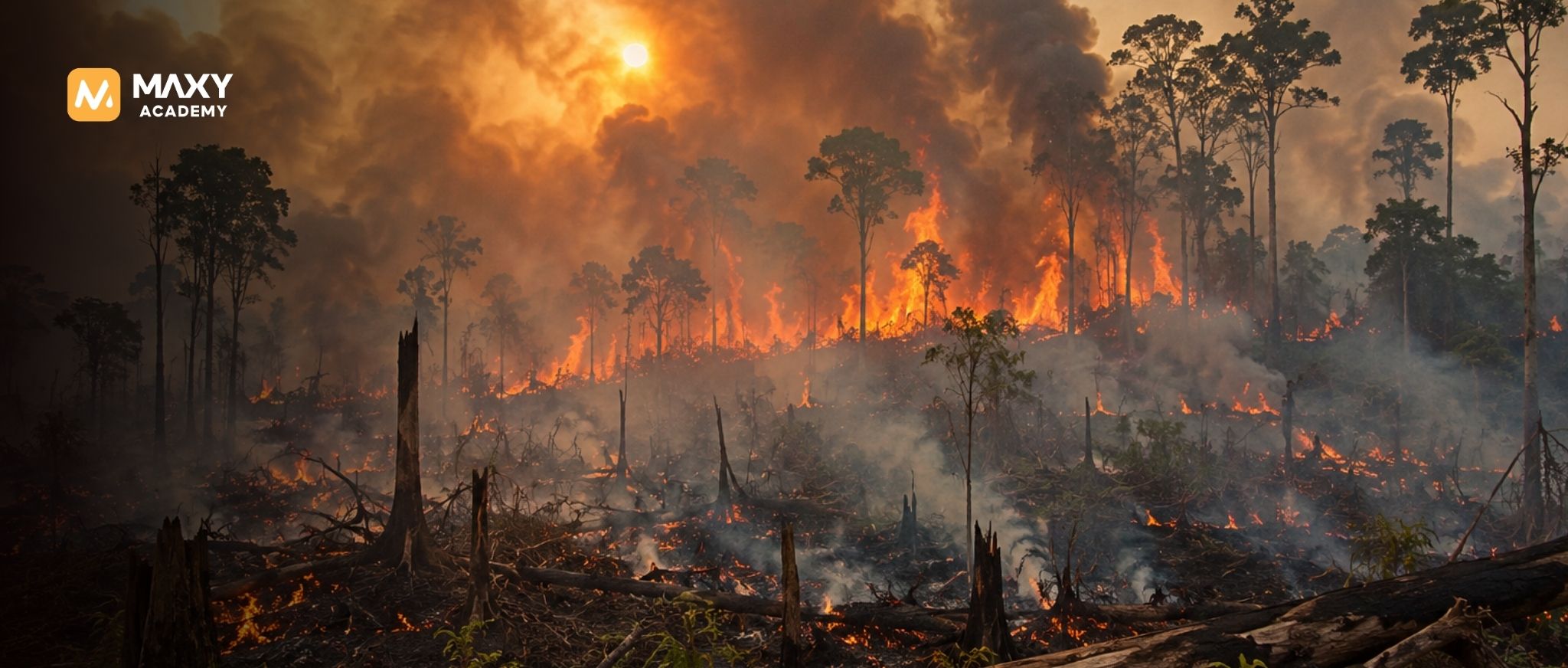
Forest and land fires, commonly known in Indonesia as karhutla, remain a serious challenge, particularly in areas with peatlands such as Kalimantan. When peatlands become dry, they are highly susceptible to fires that can spread beneath the ground, making them difficult to extinguish completely.
Amid these challenges, advances in Artificial Intelligence (AI) offer new opportunities to detect potential fires earlier, before they spread over larger areas.
Why Are Fires in Peatlands So Difficult to Extinguish?
One of the main factors that makes forest and land fires difficult to control is the nature of peatlands. When dry, the organic material within peat soil becomes highly flammable, allowing fires to spread into underground layers.
Embers beneath the surface are difficult to reach with water applied from above. As a result, even when flames on the surface appear to have been extinguished, underground embers may continue to burn and trigger fires again.
This is why managing fires in peatlands requires more than firefighting alone. Early detection is also essential to identify potential fires before they spread further.
How Can AI Help Detect Forest and Land Fires?
AI technology can be used to analyze monitoring data and identify hotspots that may indicate potential fires.
In Indonesia, efforts to strengthen the use of this technology are also underway. According to a report by Radio Republik Indonesia (RRI), the National Research and Innovation Agency (BRIN) plans to upgrade its AI technology for detecting fire hotspots as part of broader efforts to strengthen early detection.
Through data analysis, AI can help identify locations that require further attention. This information can support field personnel in conducting inspections and determining appropriate response measures.
However, AI is not a replacement for field personnel. It serves as a supporting tool for monitoring and analysis, while on-site verification and firefighting still require human intervention.
Early Detection Is Essential for Preventing Forest and Land Fires
Fires in peatlands highlight the importance of identifying risks before flames grow and spread. The earlier signs of a potential fire are detected, the greater the opportunity to respond before the situation becomes more widespread.
AI can support this process through data analysis and hotspot monitoring. However, its effectiveness still depends on data quality, monitoring systems, and timely responses from field personnel and relevant authorities.
Beyond technology, preventing forest and land fires also requires public awareness and responsible environmental practices to reduce activities that could trigger fires.
Using Technology to Protect the Environment
Advances in AI demonstrate that technology can be used not only to improve productivity and support everyday work but also to address environmental challenges.
In the context of forest and land fires, AI has the potential to support early detection, helping identify potential fires sooner. While it is not a standalone solution, this technology can be part of broader collaborative efforts to protect forests and reduce fire risks.
We hope that efforts to prevent and manage forest and land fires in Kalimantan and other affected regions will be successful. May everyone affected remain safe, rainfall reach the affected areas, and the fires be brought under control as soon as possible.